

Fountains


Fountains
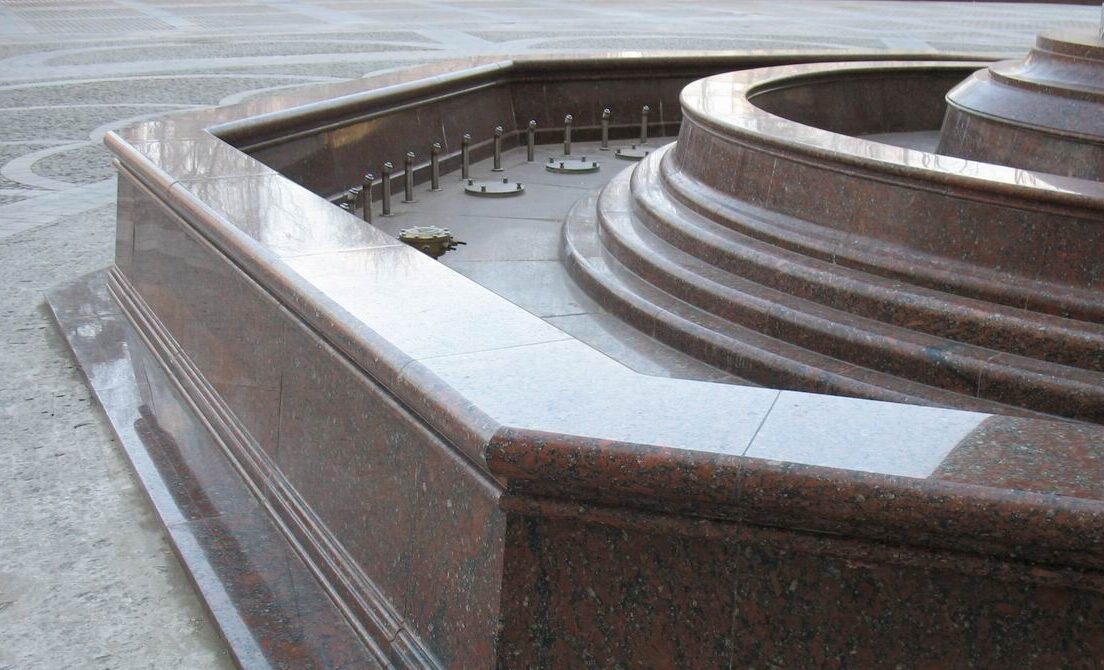
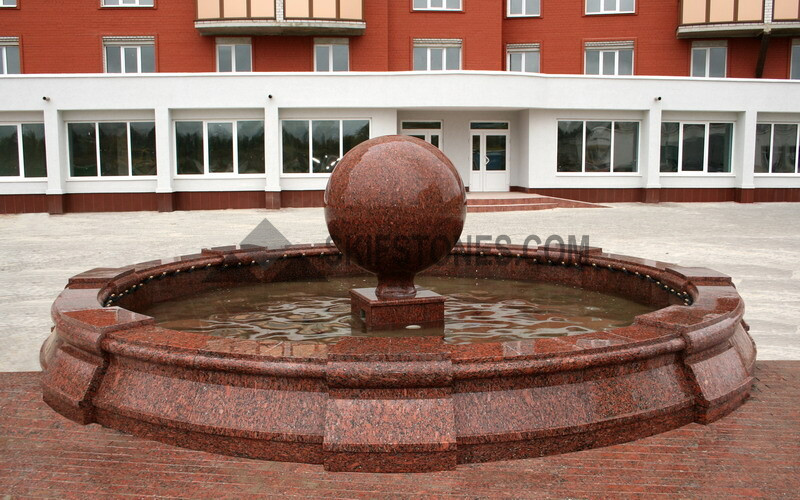
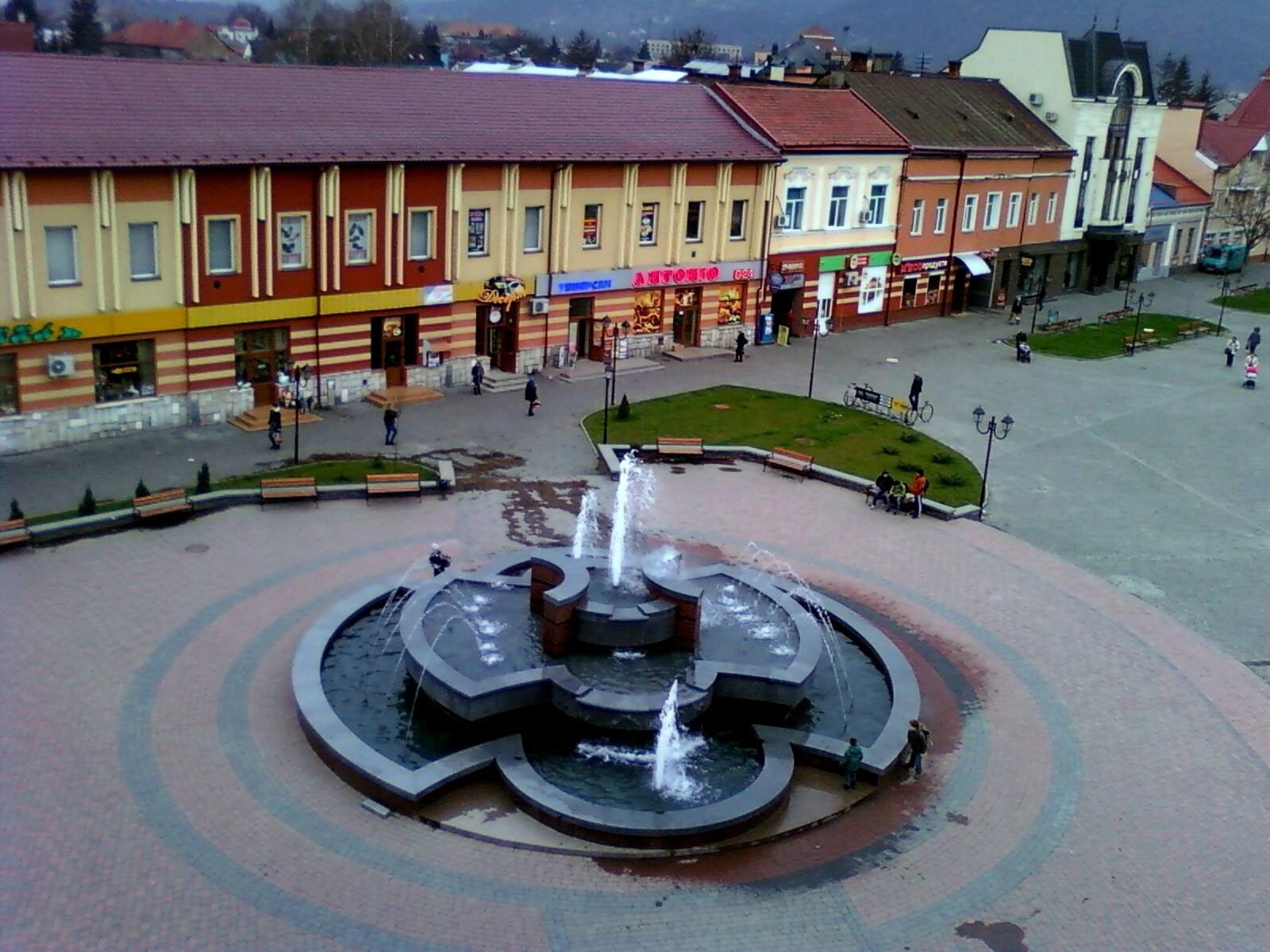
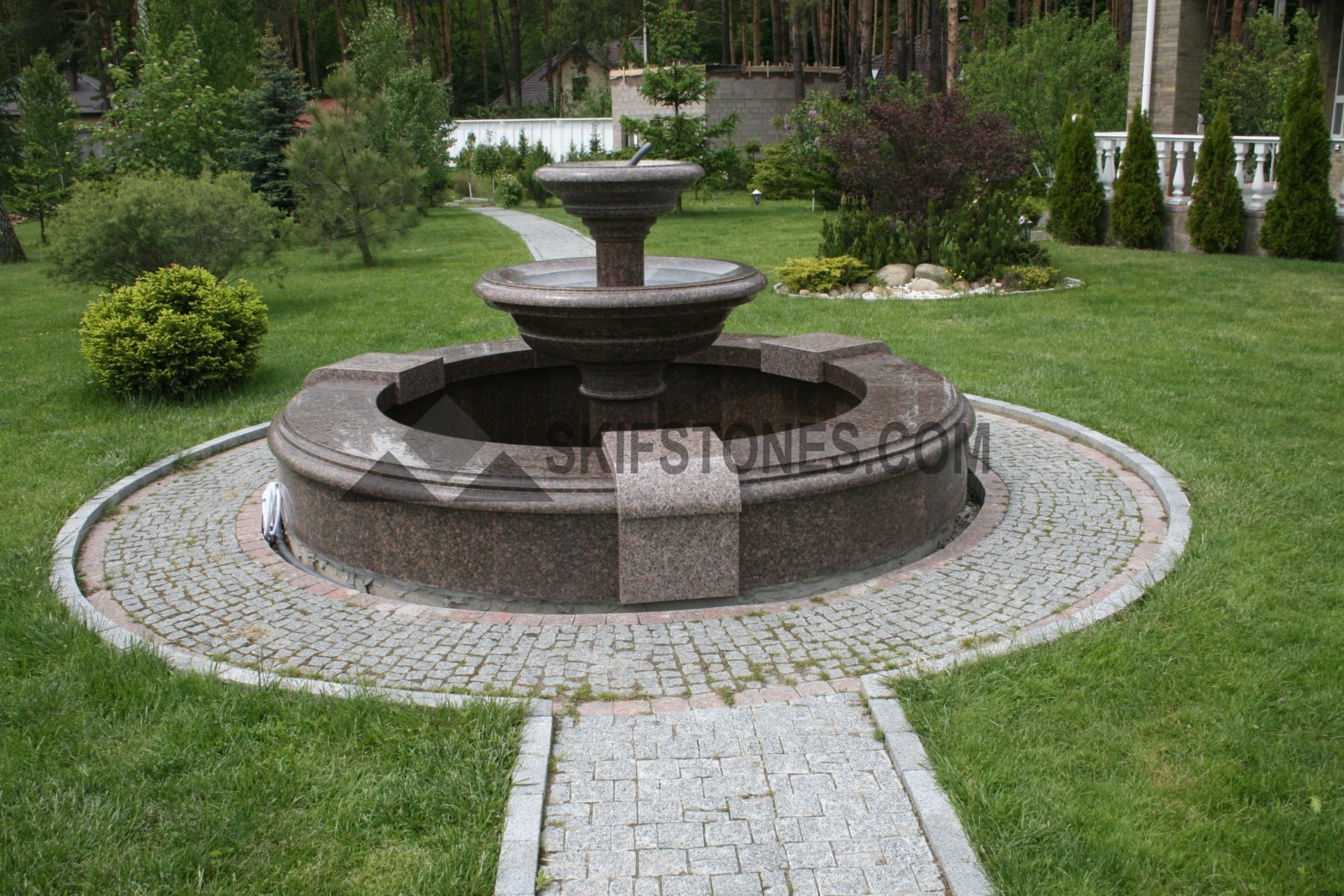
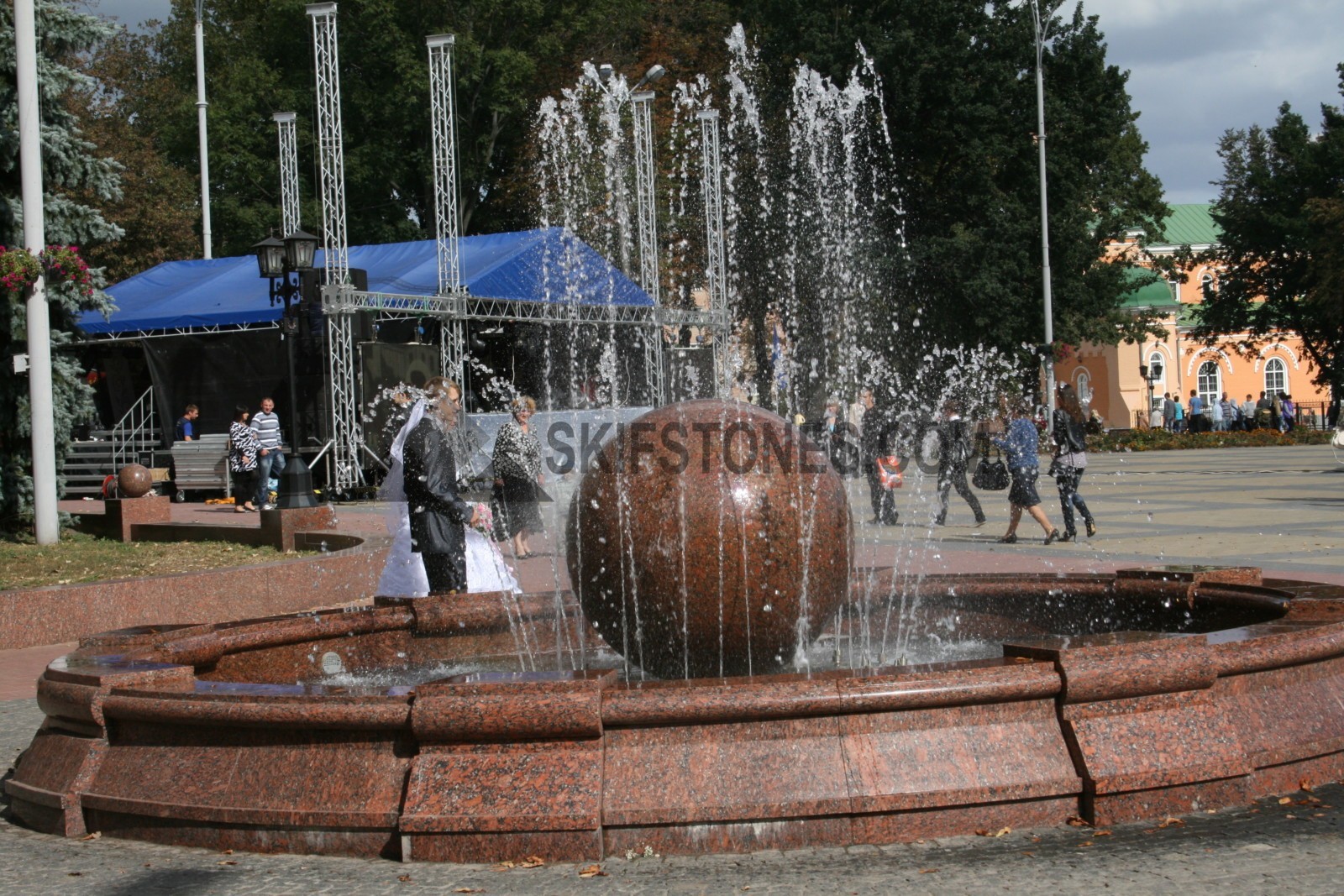
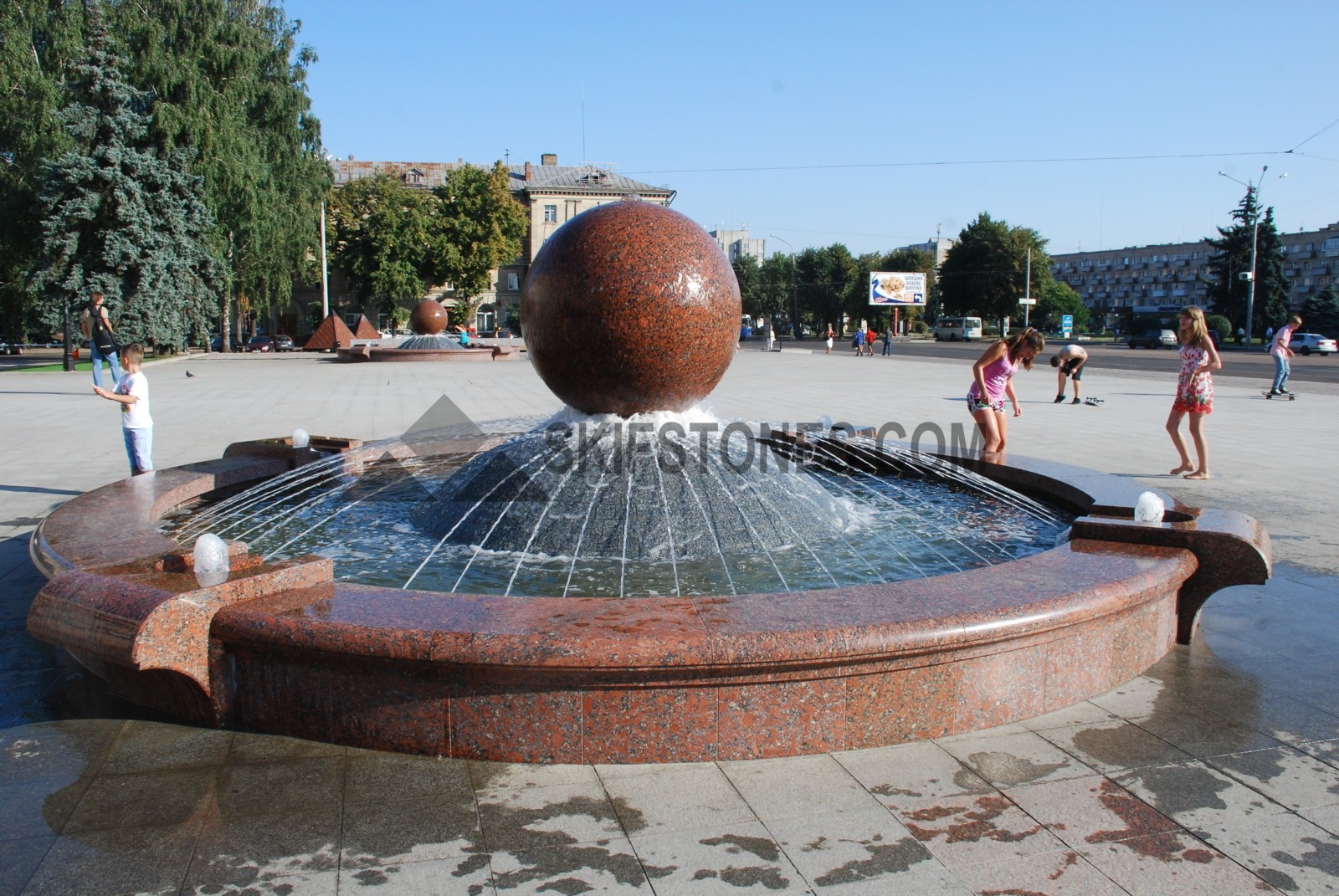
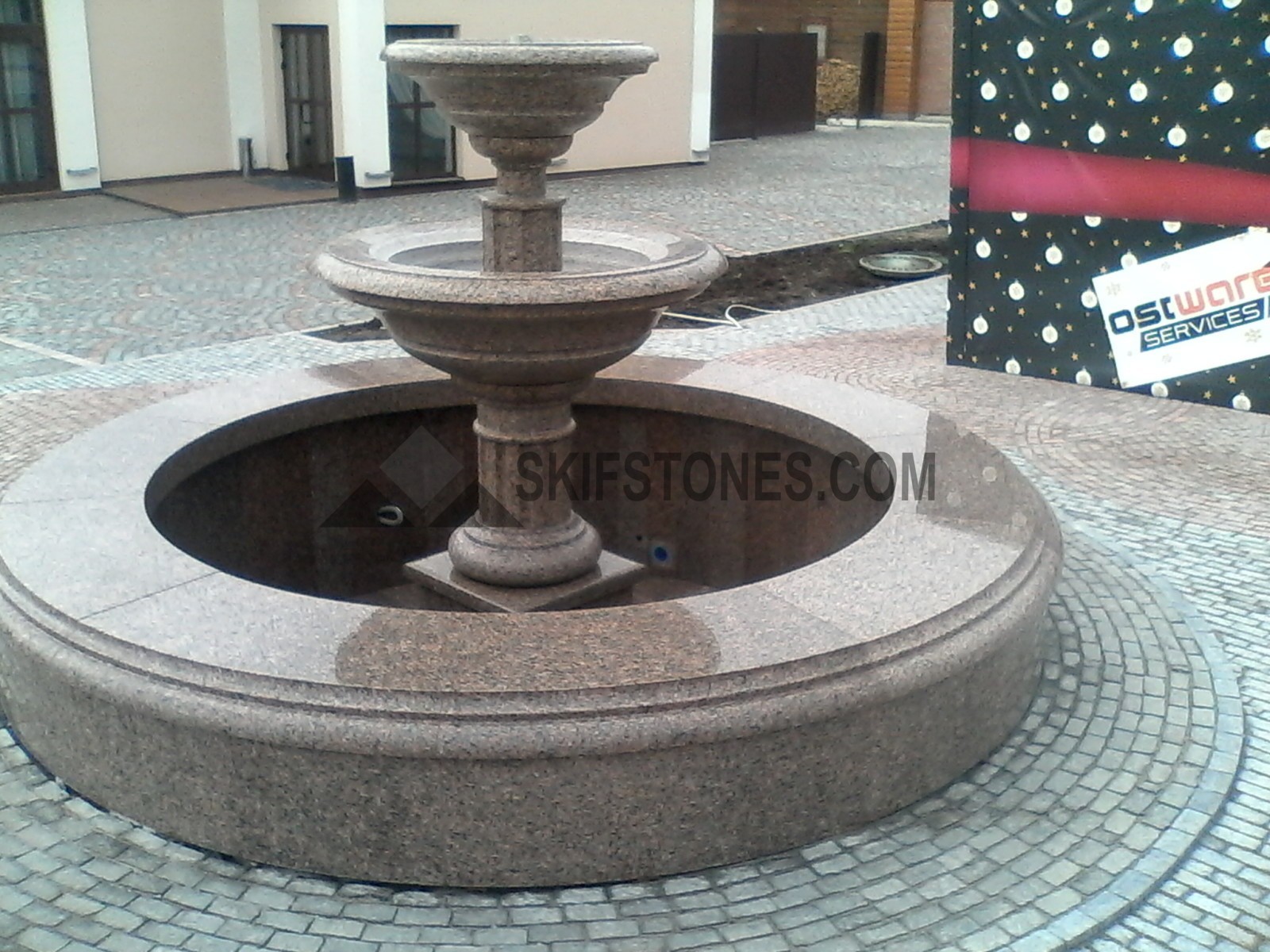
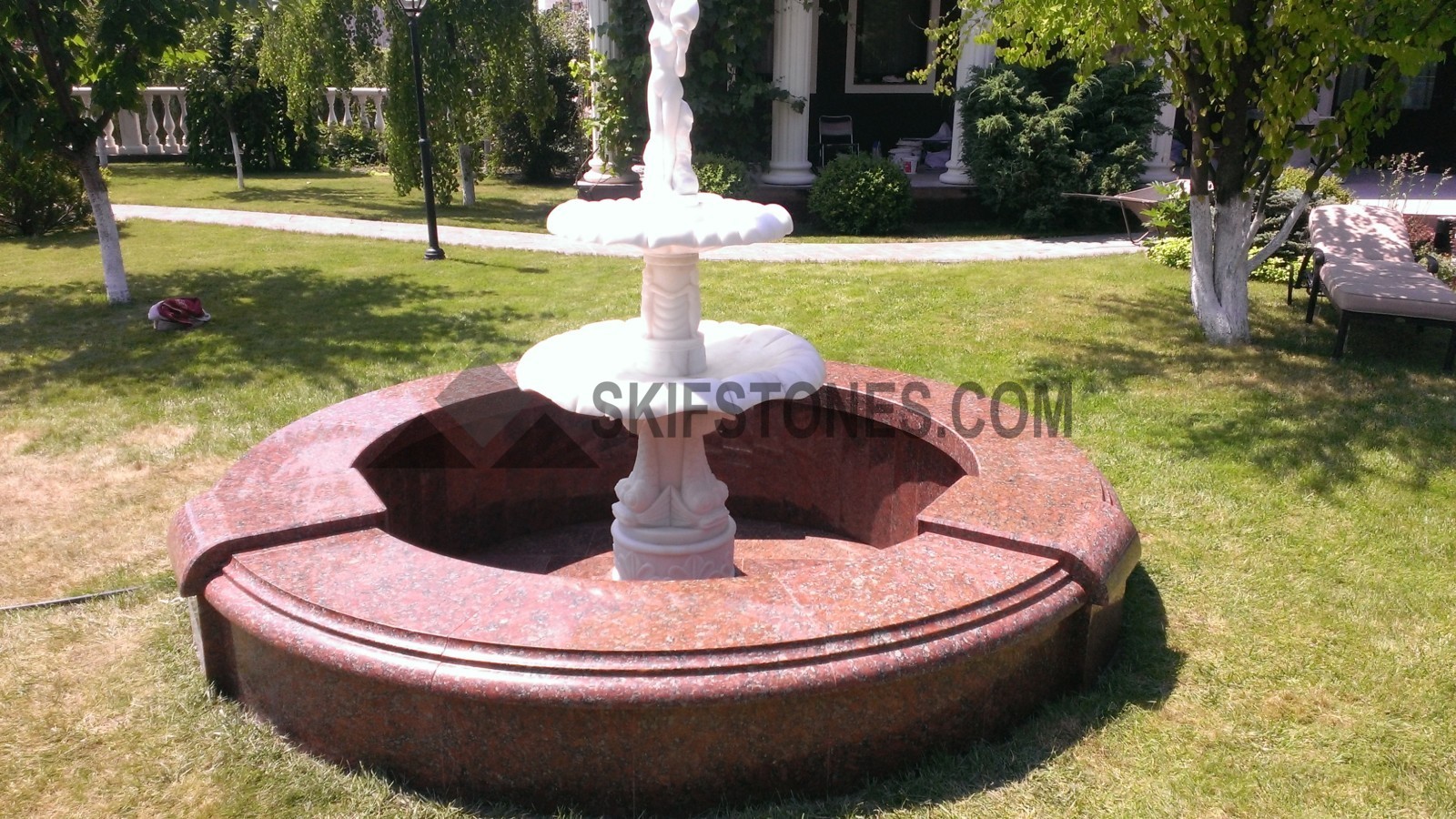
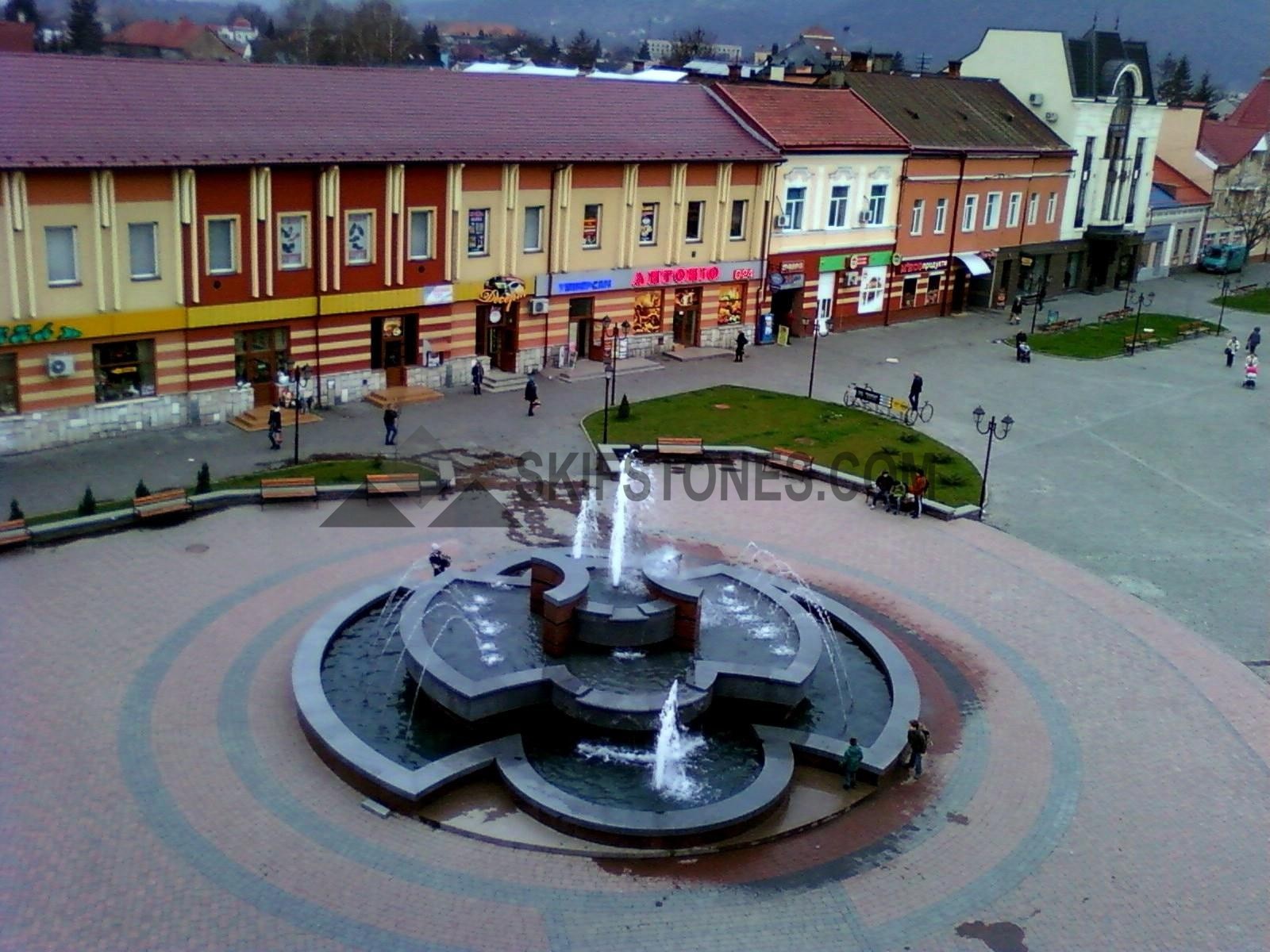
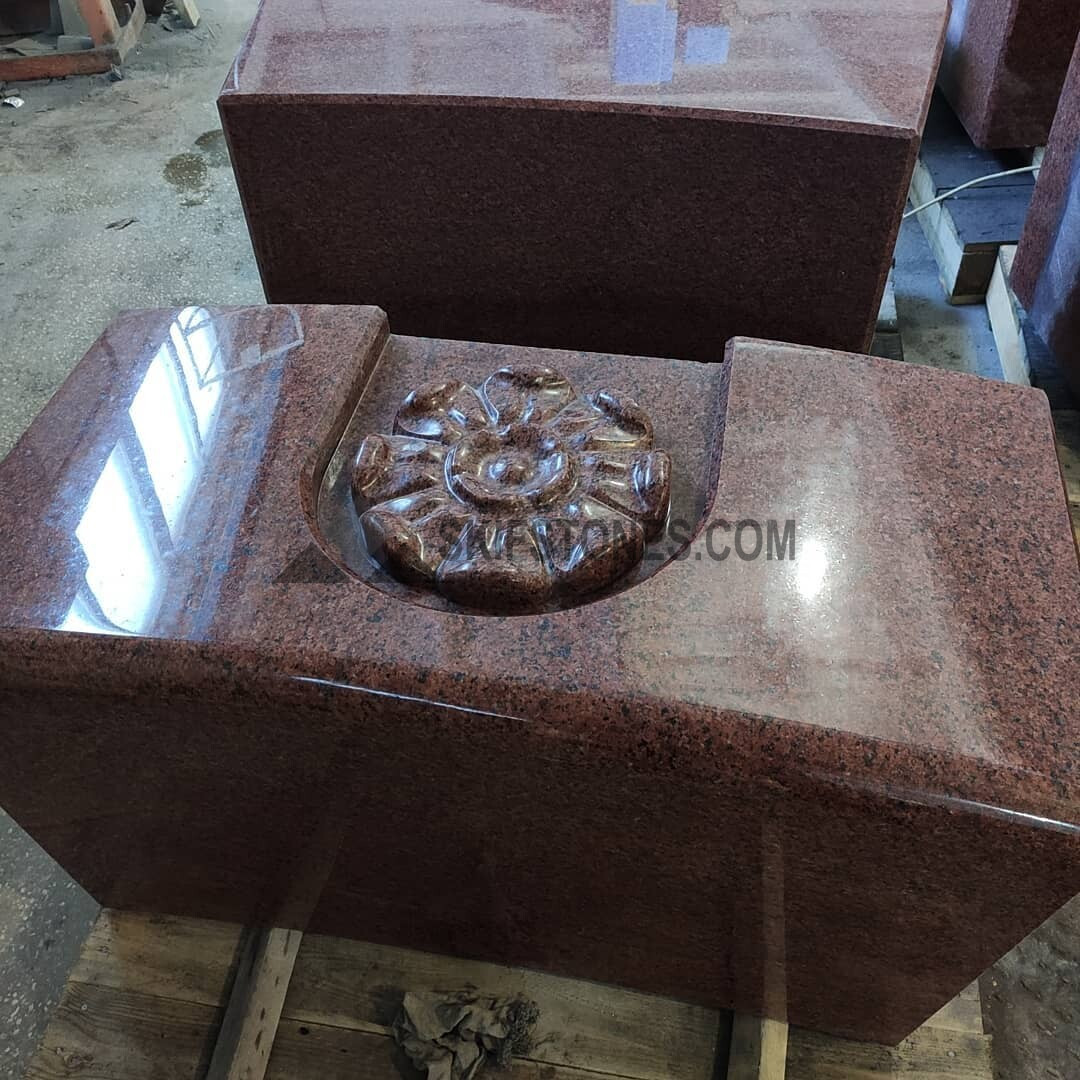
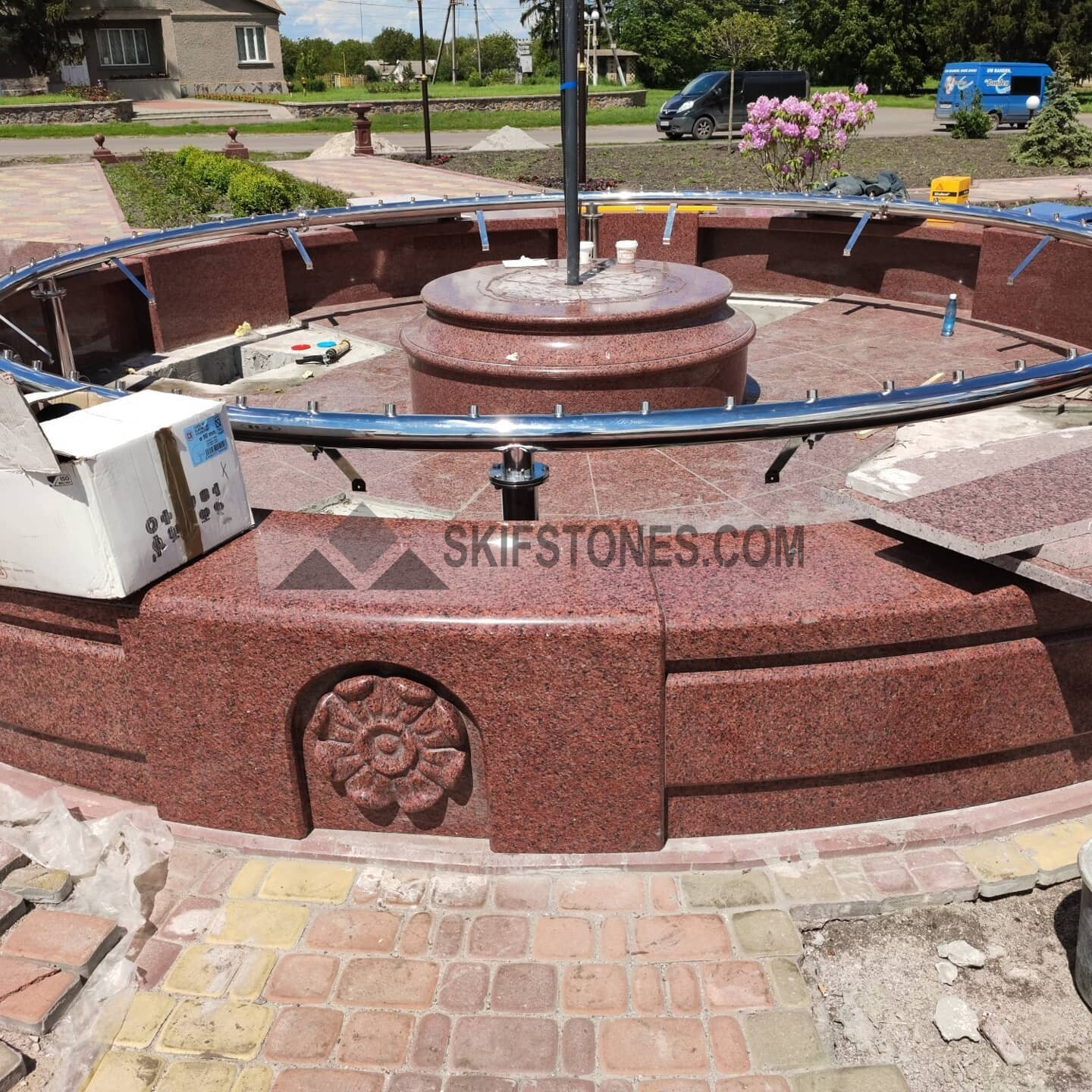
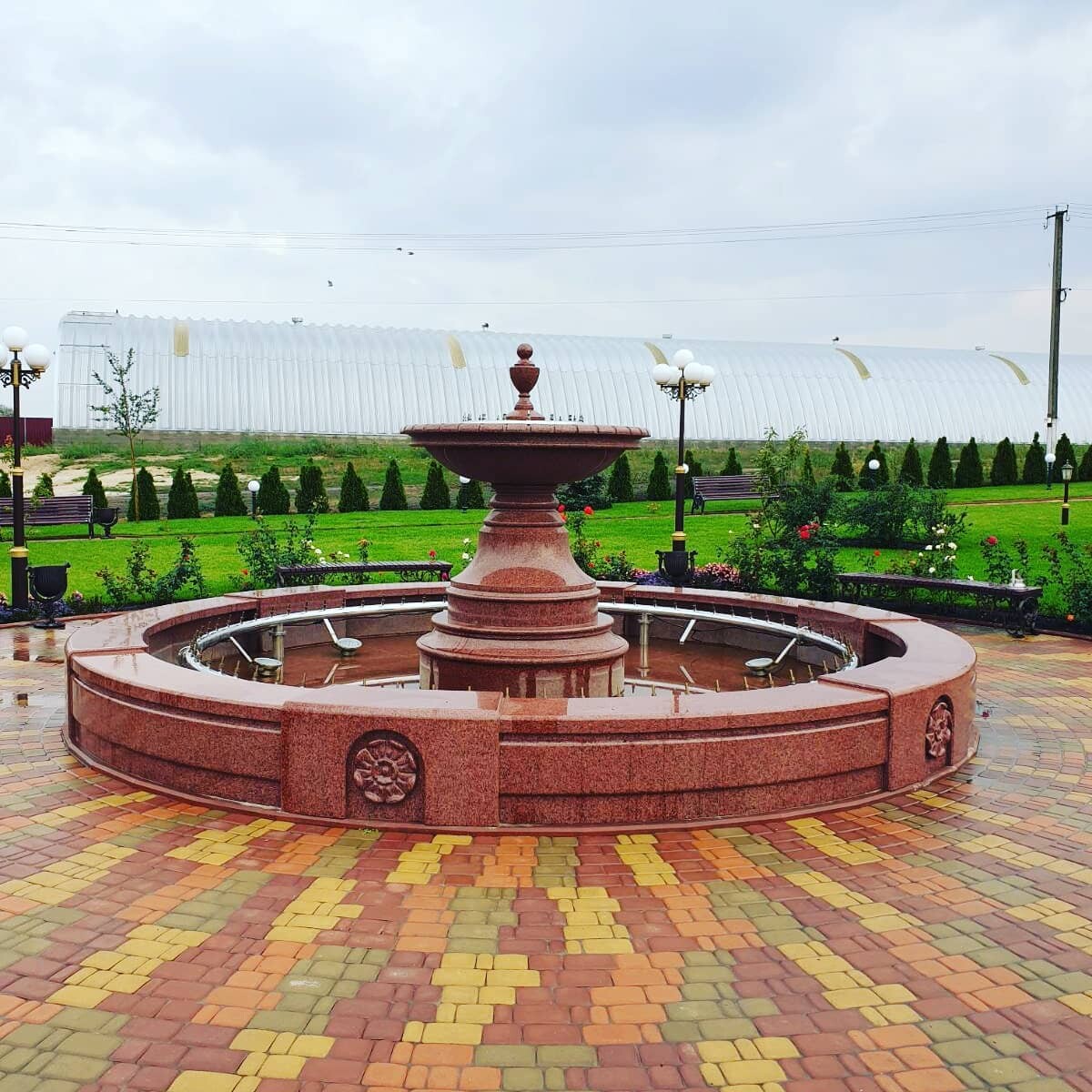
Granite is a beautiful stone that practically does not absorb moisture (water absorption coefficient – 0.05-0.17%). That is why granite is perfect for making fountains, facing embankments and pavements. In addition, it is weather and acid resistant.
A bit of history:
The first fountains arose in ancient Egypt and Mesopotamia, as evidenced by the images on ancient tombstones. Initially, they were used to irrigate cultivated crops and ornamental plants. The Egyptians built fountains in orchards near the house, where they were installed in the middle of a rectangular pond. According to certain canons, the Persian oriental garden was supposed to reflect four different entities – water, flowers, plants and music, which can be seen in ancient images and carpet drawings. Muslim gardens were surrounded by terraces of multi-colored tiles, the spray of the fountain, reflected from them, created an unusual play of light and shadow.
In gardens of another type, unity was created – water, flowers, trees, light and shadow. A striking example of such landscape architecture are the Taj Mahal gardens in India and the Shalimar gardens. In such gardens, full-flowing springs running down from the mountains are an important accent, where at the foot of their channels they artificially turn, creating reservoirs and waterfalls. Fountains were of great importance in China and Japan. Buddhist monks participated in the creation of the famous Japanese garden in Kyoto. Each element of this garden carries a special meaning and evokes a certain mood and state of mind in visitors.
Today:
Twenty-first century “SKIFSTONES” perform a full cycle of services for the creation and maintenance of fountains!

Gallery